Marketing design system
Co-creating a design language that helped teams work better, faster
Atlassian’s marketing sites were starting to feel like a patchwork quilt — different teams, different tools, and a lot of tech debt. I led the effort to bring everything together into one design system that improved consistency, communication, and delivery speed. In the end, our Kanban teams finished 31% more tickets, and Agile teams hit their burndown goals more often — all while feeling more connected to each other’s work.
Role
Owner, design lead, facilitator
Teams
Marketing, Design, Development, Brand
Focus Areas
Design systems, design ops, process design, pattern libraries, and documentation

Background
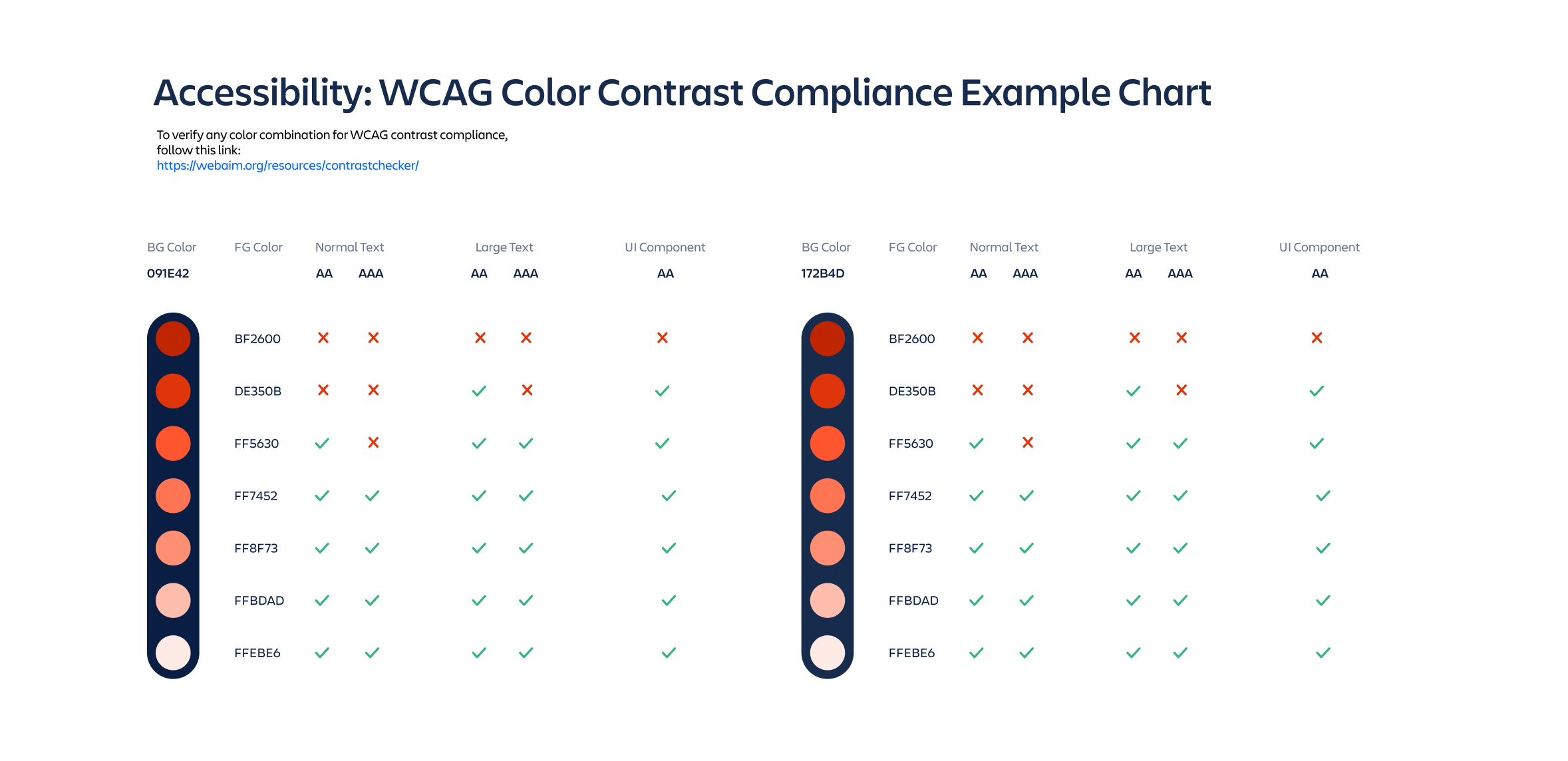
Atlassian is known for tools like Jira, Trello, and Confluence, and for having one of the most open and admired design systems in tech. But while their product design system was thriving, the marketing side was another story. The foundation of the marketing design system was initially built during the hackathon, Ship-It. It was intended as the start of an idea, but was deprioritized soon after. This led to inconsistent handoffs and code solutions, which inevitably led to inconsistent user experiences across atlassian.com and their companion sites. Tokens lived across scattered repos, outdated artboards, and institutional knowledge. Every new campaign felt like starting from scratch.
Co-creating an ecosystem
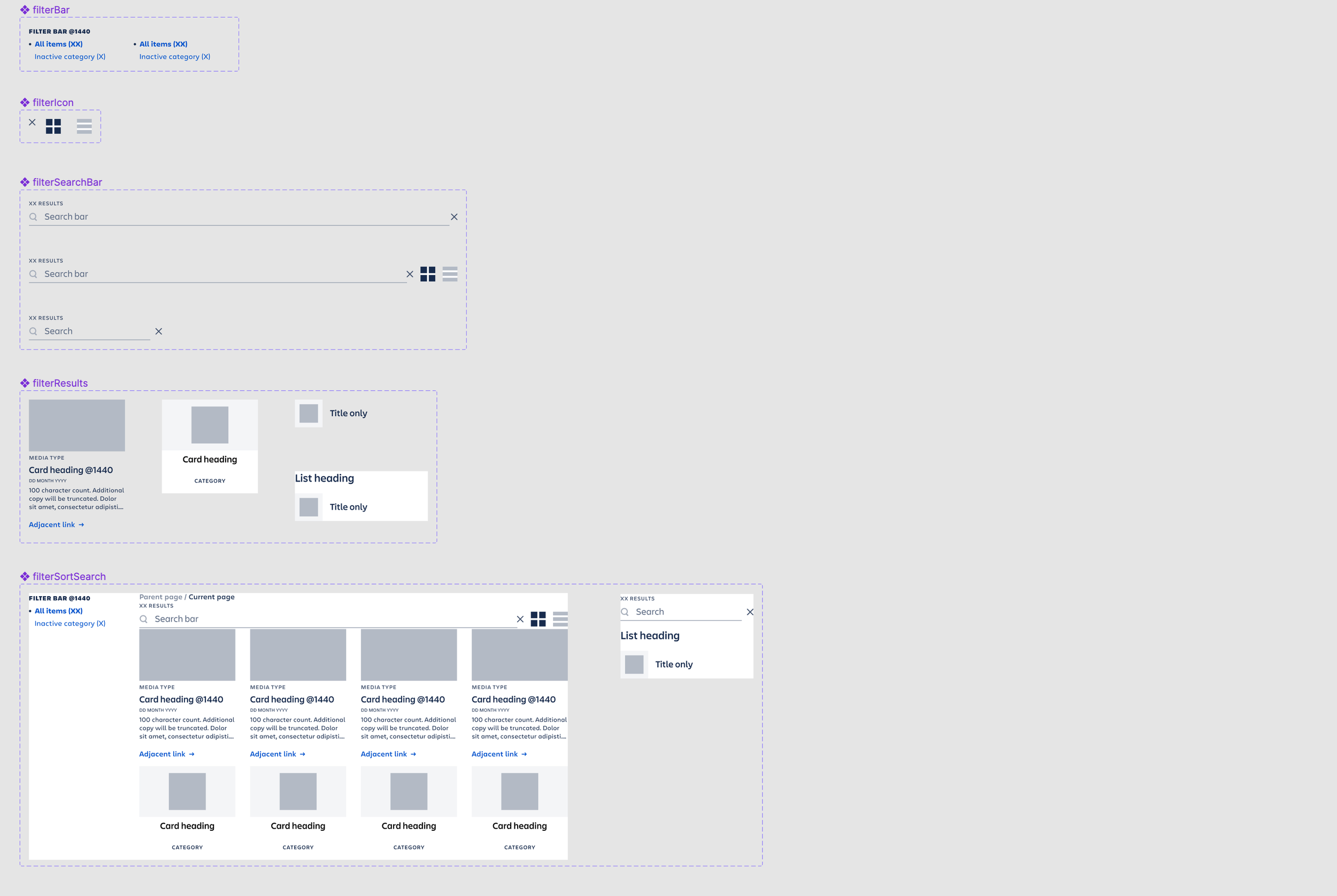
I built a single source of truth in Figma, connected to documentation in Confluence. Every component came with clear rules, context, and links to its code. I also hosted open office hours and a dedicated and active Slack channel so anyone could ask questions, flag gaps, and identify opportunities.
Designers could prototype faster
Developers knew exactly what to build
Everyone had visibility into what was in progress
Rallying the teams
A design system only works if it serves those who use it and are invested in maintaining it. Instead of setting and forgetting it, I worked directly with and across multiple teams to get their buy-in and how best the system could serve their needs.
Listen and understand when and how each team builds for the website
Set up standing feedback sessions and curated onboarding for each team
Streamlined communication channels and processes
Facilitated and designed workshops that define roles and responsibilities and how they can more align
Outcomes
The new design system improved clarity, communication, and delivery speed.

Kanban teams increased capacity and completion by 31%

Agile teams hit their burndown targets more consistently

Future acquisitions (Trello, OpsGenie, AgileCraft, Code Barrel) integrated faster
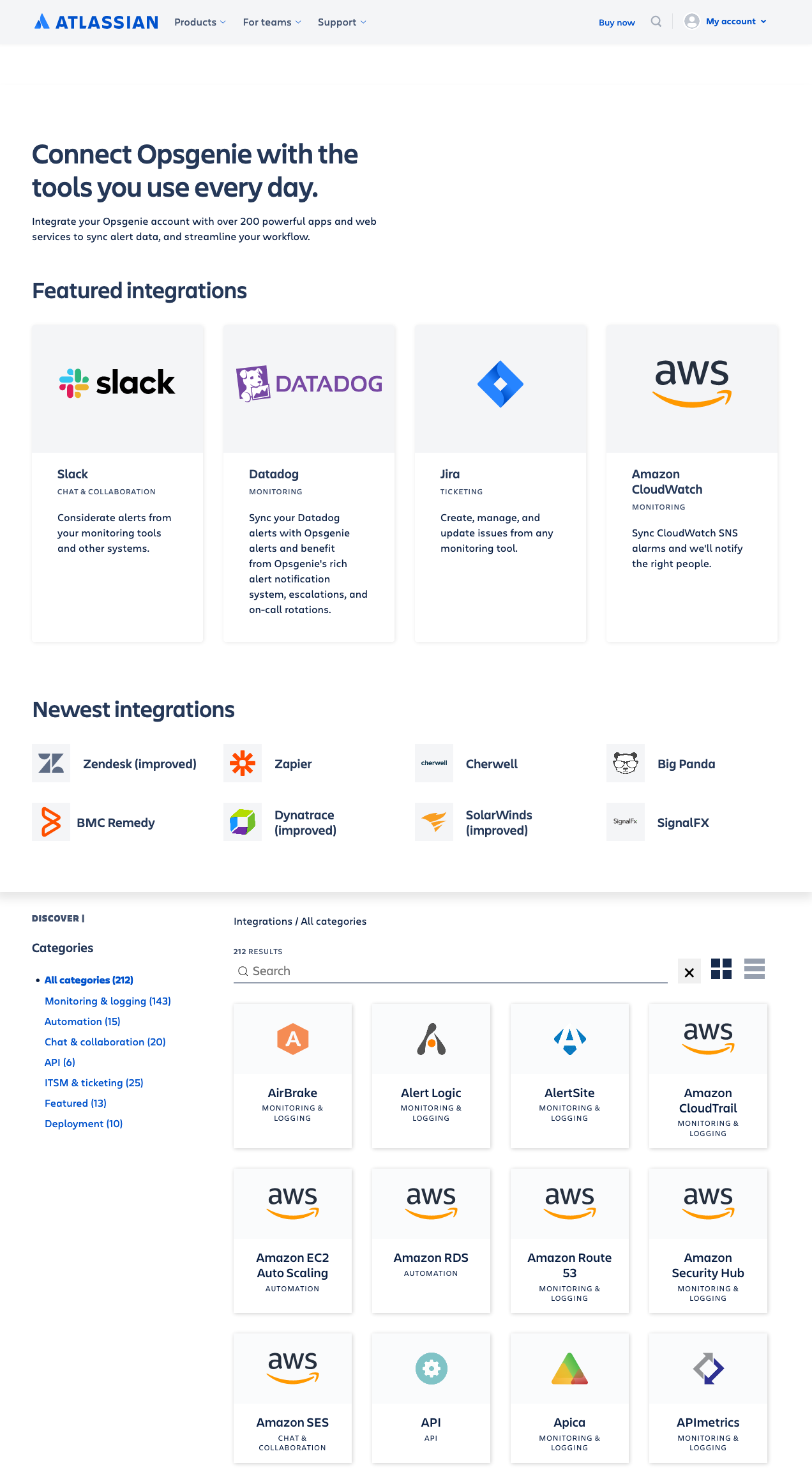
And beyond numbers — people were hyped to build together.